General Surgery
General Surgery is the broadest of all surgical specialties. Unlike most other surgical specialties, General Surgeons must be trained to be able to operate on all parts of the body as they are usualy the first responders of any emergency surgical service in a hospital providing acute care. Therefore any qualifed General Surgeon has a wide and diverse skill set. Over the years much of what was once considered general surgery has become subspecialty general surgery. However there are many procedures that are well withing the skill set of a General Surgeon.
Gall bladder removal is one of the most common surgical procedures performed by general surgeons but your surgeon must be able to anticipate and respond to the occasional curve ball. The most common reason for gall bladder removal is complications from gall stones.
Hernias (defects of the abdominal wall) are very common. It can present your surgeon with complex challenges and can be one of the most rewarding areas of my practice. Minimally invasive techniquies including robotic surgery have allowed significant advancements in this area.
Skin conditions such as skin cancers, lipomas, cysts and ingrown toenails are often very simple to deal with but provide the occasional challenge that sometimes exceed the minor procedure skills of your GP. I enjoy the opportunity to perform these procedures (usually under local anaesthetic) in the more relaxed environment of a procedure room.
Bowel surgery is a very common area of general surgery. Surgery from the jejunum (second part of the small bowel) to the colon is the domain of any General Surgeon. The indications for this are wide and varied and can involve removing portions of the bowel or freeing up stuck portions of the bowel (adhsiolysis). More complex conditions such as disease of the rectum or inflammatory bowel disease require the input of a subspecialist colorectal trained General Surgeon.
Another rewarding area of general surgery is fixing a pain in the bottom caused by haemarrhoids or pilonidal disease (ingrown hair in the gluteal cleft). These conditions can be incredibly distressing and often have a simple soloution.
Other conditions that are less commonly covered by a General Surgeon include varicose vein surgery and sympathectomy (dividing nerves in the chest) for excessively sweaty hands or arm pits (hyperhydrosis). I am happy to recieve referrals for any area of general surgery however if your condition will be better managed by a subspecialty colleague then I will arrange for you to be seen by someone else.

Liver, Pancreas and Biliary Surgery
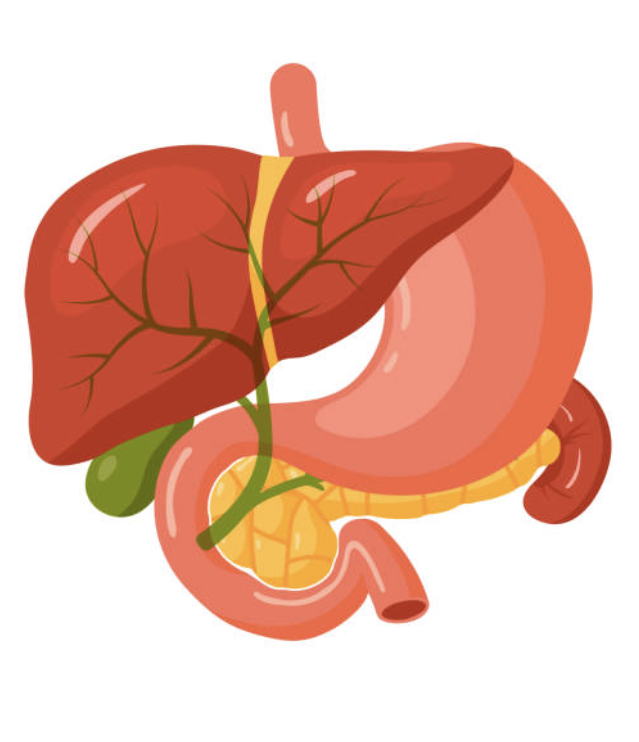
Liver, Pancreas and Biliary Surgery, also known as Hepatopancreaticobiliary (HPB) surgery is a subspecialty of general surgery focusing on a fascinating but complex area of human anatomy and physiology.
The main role of liver surgery involve removing portions of the liver due to benign (non-cancerous) growths or malignant (cancerous) tumours. HPB surgeons are also closely involved in managing patients with growths that require surveillance or have had previous surgery to remove malignant tumours that are at risk of recurrence.
Pancreas surgery is most commonly performed for growths in the pancreas that are either confirmed as malignant or at risk of becoming malignant. Occasionaly pancreas surgery can be useful for complications of chronic pancreatitis.
Biliary surgery is a somewhat vague term as the biliary system is intimatly associated with the liver. All general surgeons are proficient in simple gall bladder surgery which is technically biliary surgery. However an HPB surgeon is trained in managing all aspects of biliary surgery, not just gall stones and gall bladder removal. Although rare, tumours of the bile ducts, complex gall stone disease and complications of previous cholecystectomy are the domain of a HPB specialist. Unfortunately sometimes what was expected to be a simple gall bladder removal can be more complex than advertised and your surgeon must be prepared for this.
Organs such as the spleen and adrenal glands are very closely associated with the pancreas and liver. Therefore they are often managed by HPB surgeons.
This is a particularly complex area of surgery and for this reason I work closely with a team to ensure the best result for you.
Upper Gastrointestinal Surgery
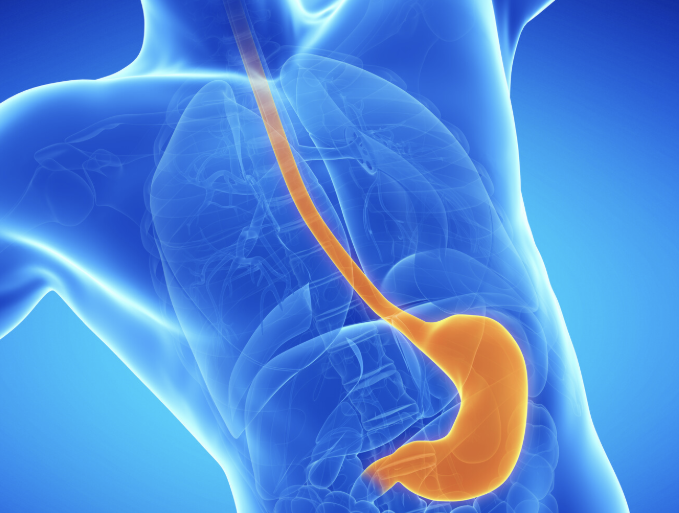
Upper Gastrointestinal (UGI) surgery involves surgery from the oesophagus (connecting the mouth to the stomach) and the stomach.
UGI surgery is often divided into benign (non-cancerous) and malignant (cancerous). Some UGI surgeons focus only on benign disease, others (including myself) treat both benign and malignant disease.
The main areas of benign UGI surgery are weight loss surgery (bariatric surgery) and surgery for the treatment of gastroesophageal reflux such as hiatus hernia repair and fundoplication. Less commonly we deal with anatomical defects of the diaphragm, known as diaphragmatic hernias.
Malignant UGI surgery is primarily focused on tumours of the oesophagus and stomach and requires an experiened team of surgeons, physicians and allied health to ensure optimal outcomes.
For complex cases I work closely with a team that you will be introduced to.
Robotic and Minimally Invasive Surgery
Surgery has progressively evolved towards minimally invasive surgical procedures. Laparoscopic surgery (key hole surgery using a straight camera and instruments through 5-15mm incisions) has made a huge impact making its debut in the 1980s. Laparoscopic gall bladder, bowel and some hernia surgery is very much main stream these days. A limitation of laparoscopic surgery is that it can be technically challenging due to image stability/focus, difficult exposure and stable retraction and the fact that you use long straight instruments with no articulation to perform very fine delicate maneuvers.
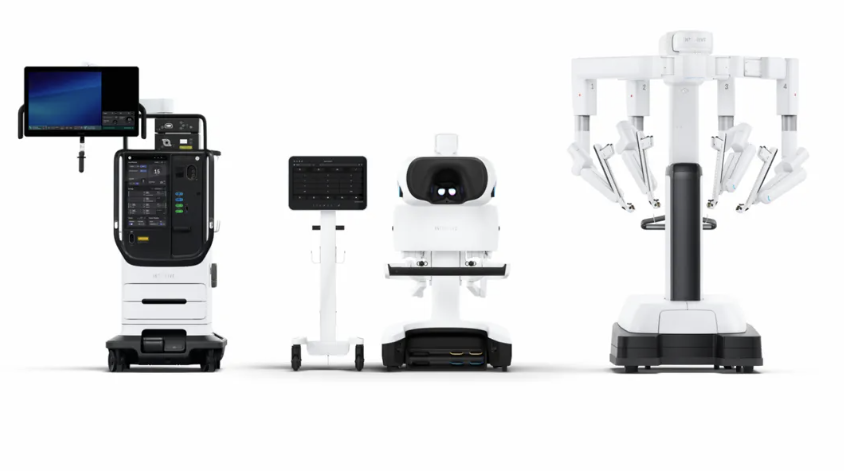
These challenges are being overcome by robotic surgery. Robotic surgical platforms are always completely under the control of the operating surgeon. However rather than being at the bedside, the surgeon sits at a console in the operating room controlling mechanical instruments that the surgeon has inserted into the patient. Once the mechanical instruments have been set up they have incredible capacity for articulation and precise movements with the guidance of a perfectly stable and focused camera system.
This advancement is broadening the horizion for minimally invasive surgery. Procedures that were previously considered too difficult or dangerous to perform laparoscopically are now being performed minimally invasively on robotic platforms.
At present I am one of a few New Zealand General Surgeons credentialed to perform robotic surgery. I am very enthusiastic to expand this field in New Zealand so that we can have more surgeons able to send their patients home sooner, with less pain and returning to their favorite activites sooner.